If we made that change..........demand probably would exceed supply by a significant margin...........just sayin'. And would we buy by size rather than weight? E.g. A through GG?
If not cooking outdoors, I am cooking on the stovetop with my 14" carbon steel wok, 12" CI skillet, or in the oven with my two Lodge CI pizza pans, or two dutch ovens. I've also got a nifty Lodge carbon steel grill pan that rocks for veggies outdoors.
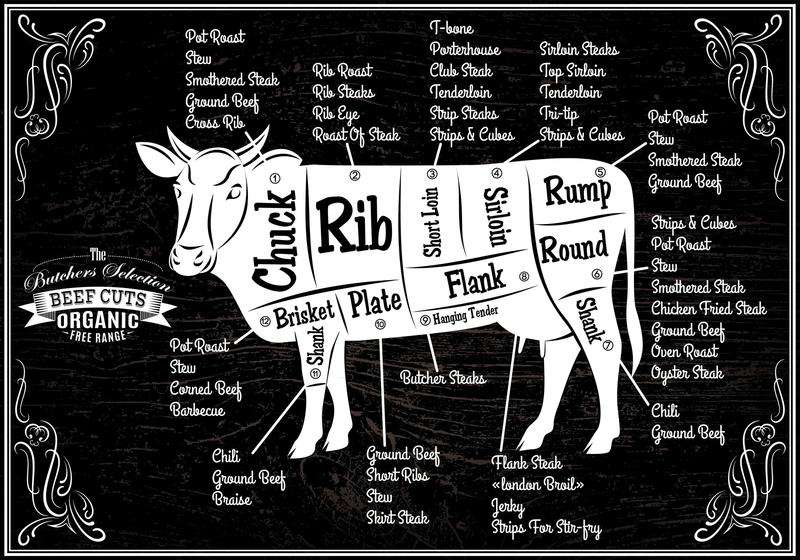
Yes, they are not using the same terms we do for a lot of the cuts, even in the translation. Sirloin = what we would call strip loin (NY). Rump= what we call top sirloin.
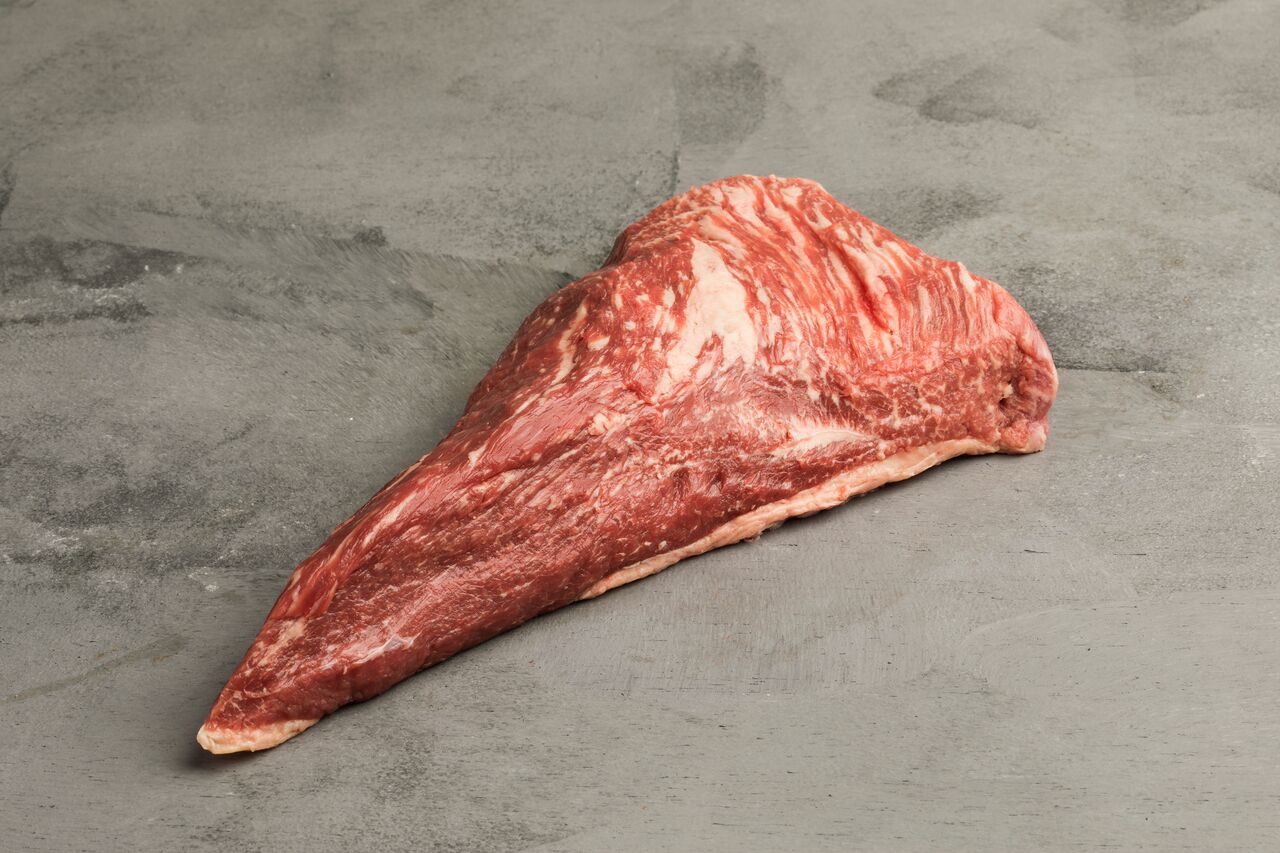
If you dig in a little bit more, it really is the tri-tip, part of the bottom sirloin, but that definitely gets lost in translation.
Fraldinha gets translated as flank. But it's really the flap/bavette.
And the google translate app that my colleague used definitely said titty and not breast, haha
I apologize for dropping this text and not leaving any of the sources I found. Today is travel home day. I'll come back with some of the things I was reading as soon as I have a moment to gather them.
Large Big Green Egg, Weber Performer Deluxe, Weber Smokey Joe Silver, Fireboard Drive, 3 DigiQs, lots of Thermapens, and too much other stuff to mention.
Our daughter lives in Chile, and they cut their meats differently. It’s really different, so much so that there are thousands of websites helping foreigners navigate the differences. You will find differences all over the world, of course, but they seem to be more different in Chile.
I spent 2 weeks in Japan 9 years ago. The "Engrish" was often humorous. You could tell that many places just used google translate or whatever - and 9 years ago machine translation was not as "good" as it is today. The popular obvious tourist areas where the staff could comfortably speak English of course had perfect translations. As did the government run cultural heritage places (castles, remnants of imperial palace grounds, trails of great significance leading to shrines or one of many "views", or the major Shinto or Buddhist shrines. But some other places? Yea.
I also saw many t shirts with English writing on them. I saw them being worn by Japanese people and on racks in stores. Quite often the shirts were nonsense, or even said things that make you do a double take just to verify that you had not consumed too much alcohol. And then you realize that no, you DID read that correctly. You might even see people casually wearing shirts that say something like "I can be shit". Well thanks for the warning I guess!! Ill just stand on the opposite end of the metro car if you don't mind....
Also if you have clothing with stuff written on it in a language you cannot read - might not want to wear it on your vacation to someplace where everyone CAN read it. Because for all you know that shirt says "I like to take up the backdoor" or something. Maybe you make some new and VERY outgoing friends though? So who knows. How adventurous are you! I'm just saying consider packing a DIFFERENT shirt.
Last edited by SmokeyGator; September 16, 2022, 10:53 AM.
gboss I also saw a warning sign about Japanese murder hornets, but there was no English translation. The Tokyo Metro trains all had stickers with raccoons pointing at a hand that was caught in something. The raccoons appeared to be laughing. So....it is funny when someone else (NOT YOU) gets their hand stuck in a train door? I am not exactly going to disagree with that!
A simple and useful guide for meat cuts featuring beef cuts charts for United States and Brazil. In addition, you'll find out what cuts are the best for wet and dry cooking, American primal cuts of beef, Brazilian cuts of meat, and how to find those same cuts in the United States.
Learn how to speak like a Brazilian using local expressions! Licensed under a Creative Commons Attribution-NonCommercial-NoDerivatives 4.0 International License






Comment