




I don't have quite 24 hours to brine for as long as I'd like, so i wonder if pressing the salt into the meat with a vacuum seal would help the process. Thanks in advance!
-
-
I don't know for sure, but it seems reasonable. I think this is true for wet marinades/brines. -
I think we need some input from the bbq scientist himself (Meathead) but I would guess that there needs to be some air to make the brine work?Comment
-
-
Well i feel that vacuuming while brining speeds up the process.. but i can't scientifically prove it..Comment
-
No. It doesn't speed up marinades and it doesn't speed up brining.
Consider: a sponge. If you compress it, does it take in more, or less liquid? Less, it's compact, so it won't function as a sponge.
Better idea would be to gash whatever it is, and salt in the gashes.
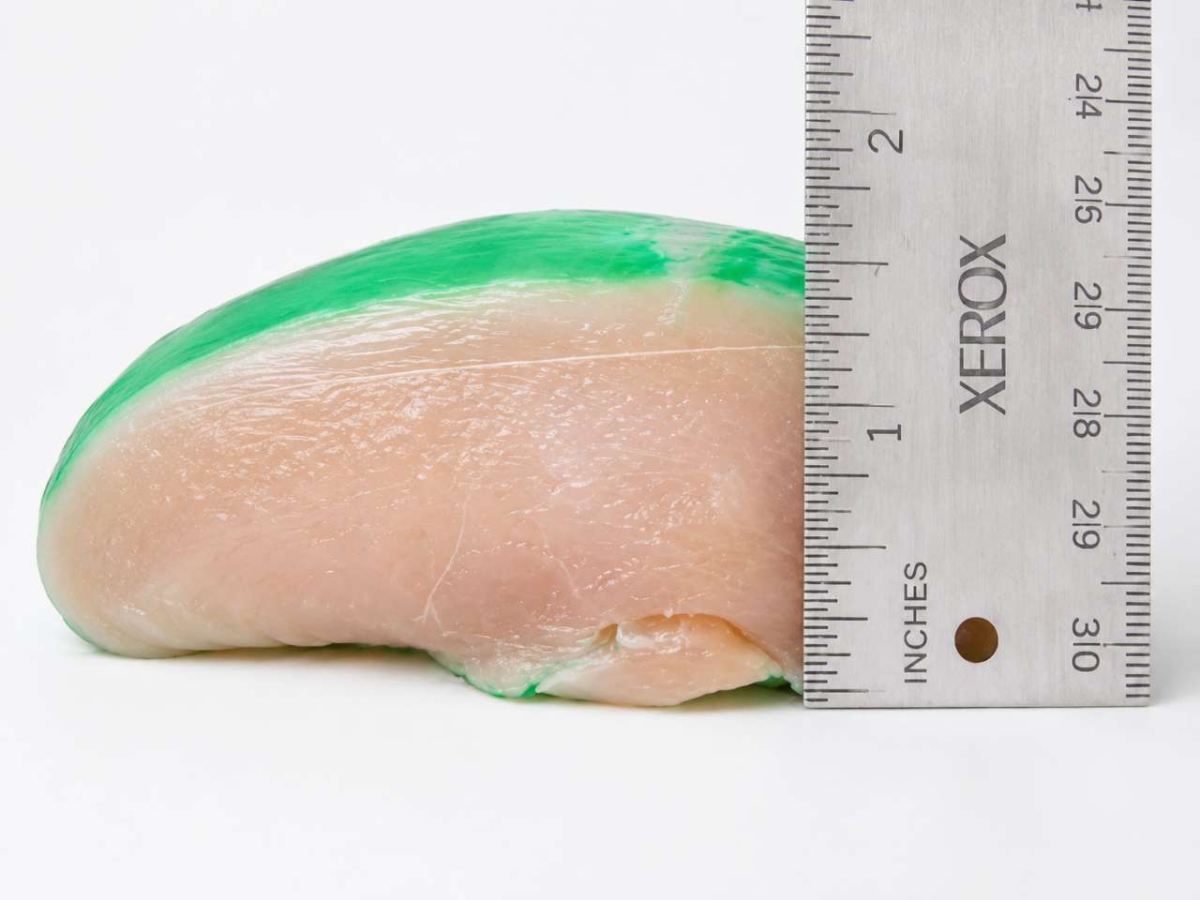
Salt penetrates better than spices, but won't go any faster under vacuum due to the sponge effect.Myth: Vacuum marinators suck in the marinade. There are several companies that make devices in which you place the food and then a motor sucks out the air and creates a vacuum. In theory the vacuum sucks the marinade in. Not! There is no air in meat to suck out. So all they suck out is water/meat juice. When you release the vacuum, a small amount of liquid will get sucked in just a fraction of an inch, but most molecules are just too large to penetrate. That said, on very thin cuts like jerky, the tumbling and sucking might help a bit.Last edited by Potkettleblack; July 2, 2018, 11:29 AM.Comment
-
It would be interesting to hear what Meathead or the Doc has to say about this, but I don't think it will make any difference. The salt is in contact with the surface of the meat weather you vacuum seal it, wrap in plastic or just leave it alone. It takes time, not pressure for the salt to diffuse into the meat.
But I could be wrong. My science days are way in the past!
Comment
-
I do not think science is behind this one. Salt on the surface is salt on the surface, no matter whether you vacuum seal it or not.Comment
-
all good info. Thanks to everyone. My decision is not to worry about it! I'll let you know how the cook goes!
Comment
Comment